Your First Shoot with Luminis Media Listing Photography: What to Expect
If you are new to professional listing photography, the first shoot can feel like a moving target. You are trying to satisfy sellers, move quickly, and get media that looks great on the MLS and social platforms. I have photographed hundreds of homes and worked alongside agents who value time, certainty, and consistent results. This guide breaks down what happens when you book Luminis Media listing photography, what you should do before the crew arrives, what we handle on set, and how assets are delivered and licensed. No fluff, just the way it actually works when professionals show up, set a pace, and build a gallery you can use to market confidently.
Booking and Scoping the Job
Most shoots start the same way: an agent or property manager reaches out with an address, preferred dates, and a rough scope. A quick discovery call saves everyone hassle later. We confirm size, style, and marketing goals, and we talk through complexity. A 700 square foot condo on the third floor requires a different plan than a five bedroom home with a pool and detached casita. If the seller wants both Luminis Media real estate photos and Luminis Media real estate videography, the timeline and crew change.
Expect to provide a short brief. This can be as simple as a few lines in the booking form, for example, “North facing condo, views matter, no pets on site, parking in alley, HOA requires drone approval,” or as detailed as room‑by‑room notes. The more specific you are, the better the results. If you have an older listing gallery that performed well, send it. Visual references help us align on style and pacing.
For larger properties and luxury marketing packages, we often recommend an advance consult, either virtual or onsite. Luxury real estate photography luminis.media projects can involve scouting sun paths, planning twilight windows, or coordinating access to amenities. A 20 minute walkthrough a day or two before the shoot lets us estimate scenes per hour and flag obstacles like reflective marble floors or mirrored walls that need particular lighting strategies.
What We Bring, What You Should Expect
The gear list shifts by assignment, but the philosophy is consistent. We keep setups lean, respectful of the home, and optimized for quick transitions. A Luminis Media real estate photographer does not roll in with a truckload of cases unless the job demands it. For standard stills, expect full frame bodies, wide and normal primes, tilt‑shift options for architectural lines, and compact lighting. For video, we bring stabilized cameras or gimbals, variable NDs for window control, and audio if we are capturing a voiceover or brief agent intro. Drone equipment is packed when requested and legally permitted.
Our approach to lighting is practical. Window exposures are balanced to feel natural, not radioactive. We blend ambient light with discreet flash when needed, avoiding that flat, overly lit look that screams catalog instead of home. If there is heavy wood or warm tungsten throughout, we do not fight it. We neutralize just enough so the space reads clean, but we protect the warmth that gives character. That subtle judgment is the difference between property photography luminis.media and quick, one size fits all work.
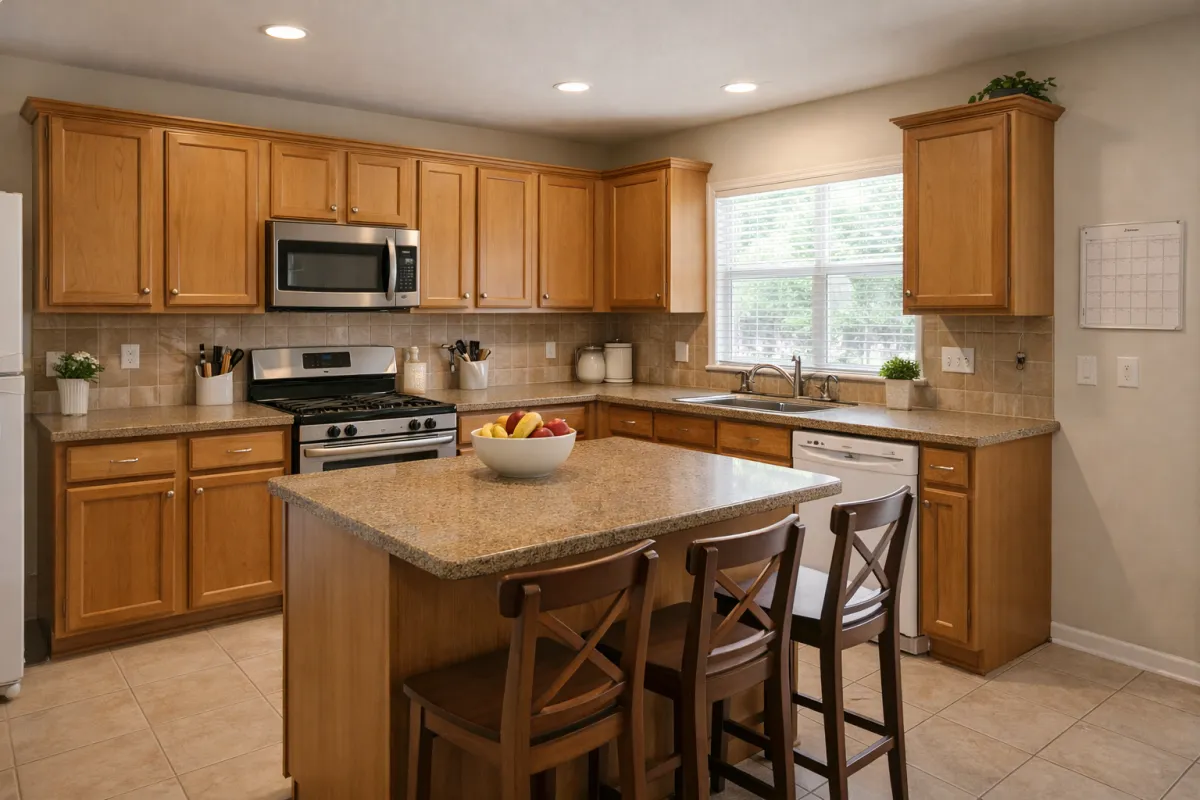
Expect a steady, predictable rhythm. We stage lightly, we do not rearrange a house, but we will nudge bar stools, straighten art, fluff pillows, and coil cords out of sight. We will also flag issues we cannot safely adjust, like a chandelier that is missing bulbs or a cracked sliding door. If a fix will improve a hero shot, we will ask before touching anything that belongs to the homeowner.
Preparation That Pays Off
No one likes delaying the first frame because beds are unmade or the gardener showed up late. A little prep before listing photography Luminis Media arrives makes a bigger difference than many clients realize. It speeds the session, opens creative options, and lets us focus on composition instead of clutter triage. If you only do a handful of things, make them these:
- Declutter visible surfaces, including kitchen countertops and bathroom vanities.
- Replace any burnt out bulbs and match color temperatures where possible.
- Open blinds and curtains, then clean the windows that frame key views.
- Hide personal items, pet bowls, litter boxes, and small floor mats.
- Park cars out of the driveway and move trash bins out of sight.
That is the short list. Deeper staging is optional, but small adjustments read big on camera. A single plant and a neutral throw can soften a hard corner. On dining tables, one curated centerpiece looks cleaner than place settings. In kids rooms, keep colorful art and edit toys down to a few. If you plan to do a partial stage, focus on the entry, main living area, primary suite, and the outdoor space closest to the living room. Those four zones do the heavy lifting in most galleries and videos.
The Day Before: Final Checks and Weather Calls
We monitor the forecast and sun angles for every shoot. If the property depends on a view that only pops when the air is crisp, or Click here if heavy rain will keep us from flying a drone, we will call it out. We do not cancel for clouds, but we will discuss tradeoffs. Overcast helps with even interiors and reduces window glare. It is tougher for sky‑dependent exteriors. If your hero is a sunset pool, we will push for clear weather.
Expect a confirmation text or email the afternoon before. It includes the arrival window, parking notes, and the mobile number for your Luminis Media real estate photographer. If access is tricky, share gate codes or lockbox details at that time. If a tenant is involved, reconfirm with them separately. Nothing derails a day faster than a locked garage with the key prop or a sleeping toddler in the only sunlit room.
What Happens When We Arrive
We start with a quick walk, not a camera. Five minutes, one lap, lights on, blinds set, check any special requests. You will see us test a few angles by eye. We choose a workflow that keeps us out of your hair. Sometimes we begin with exteriors to catch the best light. Other times we knock out the main level first and save the backyard for when the sun drops behind a tree line. If video is on the order, we interleave short clips between stills so we can capture motion at the right light level.
A typical pace for real estate photography Luminis Media looks like this: about 45 to 60 minutes for a modest condo, 75 to 120 minutes for a mid sized single family home, and 2 to 3 hours for larger or luxury properties. Add time for video, floor plans, or drone. We control the tempo so you do not have to quarterback the session. Your job is to keep sellers comfortable, answer questions about access, and step in if you want a particular vignette highlighted.
A Realistic Timeline for a Standard Shoot
This is a general map, adjusted per property and season:
- Welcome and walkthrough, confirm priorities, set lighting baselines.
- Exterior front and approach shots before the sun gets too high.
- Main living, kitchen, and dining, with light staging and cable control.
- Secondary bedrooms, baths, laundry, hallways, then the primary suite.
- Backyard, pool, and any outbuildings, with drone if permitted.
If we are also filming, we layer sequences between these beats. For example, we may pan the kitchen while the flash batteries recycle, then record a slider pass in the primary suite before moving to the bath. Luminis Media real estate videography is designed to be efficient, and our motion shots never interrupt the stills cadence.
Handling Edge Cases and Real‑World Complications
Occupied homes and pets complicate timing, not quality. If the property is owner occupied, we designate a “holding” zone, usually the garage or a bedroom, where belongings can go during quick swaps. That keeps surfaces clean for photos and makes it easy to reset. For dogs, plan a leash and a shaded spot outside, or a mid day walk window. Cats tend to vanish on their own, but we prefer they not be in rooms we are actively lighting to avoid spooking them.
Condo associations sometimes restrict exterior tripod setups or require approval for drones. Luminis.media real estate photography teams know how to check airspace and file waivers when time allows. If a flight is not legal or safe, we will tell you and offer ground based alternatives with elevated perspectives or mast poles. Do not promise sellers drone footage until we confirm it is possible.
Mirrors and glossy finishes are another common trap. In tight powder rooms with full mirrors, a camera can end up in every reflection. We have techniques for that. We shift angles, flag light, and, when appropriate, capture two frames to blend out reflections in post. Black granite and high gloss epoxy floors need polarizers and careful footing. We come prepared.
The Aesthetic Approach: Clean, Honest, and Buyer Focused
There are two bad extremes in listing media. One is the over processed, HDR‑gone‑wild look with gray skies and crunchy shadows. The other is the dark, moody style that hides room size. Our standard for Luminis Media property photography is balanced and honest. Lines are straight, verticals corrected, colors true to material, and contrast tuned so rooms breathe. We protect window detail when the view is a selling point, but we do not force the outside to look like a TV screen in every frame.
In video, we avoid swooping acrobatics. The motion is intentional and slow, just enough to communicate flow. When agents appear on camera, we keep it brief and crisp. Twenty seconds near the entry, two lines about what makes the home special, then back to visuals. For luxury real estate photography luminis.media, we bring in more cinematic elements, like controlled reveals, slower sliders, and occasional macro details that show craftsmanship, but we still prioritize clarity over spectacle. When a buyer finishes watching, they should feel oriented and excited, not dizzy.
Shot Lists and Priorities That Work
Shot lists help when they are specific. “Get the kitchen” is not a list. “Show the coffee bar tucked by the pantry, highlight the quartz edge detail, feature the counter to ceiling tile behind the range” is a list. Similarly, “capture the backyard” is not helpful. “Frame the fire pit with the pergola in the background, then a wide shot that includes the pool and the outdoor kitchen in one line of sight” tells us exactly what matters for your marketing story.
We build a base set we know performs in MLS galleries and on property websites. Front and rear exteriors in multiple lights, entry, living, kitchen, dining, primary suite, baths, all bedrooms, laundry, garages if finished, plus any flex spaces. Then we layer in vignettes that match the property’s strengths. If the home sits by a trail system, we capture a sense of that connectivity. If the kitchen island seats seven, we show that scale. For condos, we ask about amenities and whether you want them in the main set or as a secondary gallery.
Working With Natural Light and Timing Windows
Every home has a best window. Sometimes it is early morning when the east light kisses a living room. Other times it is late afternoon when a west facing backyard turns into a magazine spread. We plan around that. For north facing properties, mid day works fine for front exteriors. For south facing lots, we often save the front for later and shoot the interior during mid day so the windows do not blow out.
Twilight is a separate appointment when done right. You get a 15 to 25 minute peak window where sky gradient, interior lights, and exterior accents balance perfectly. We recommend twilight for homes with strong exterior lighting design, great backyard amenities, or dramatic architecture. For a simple stucco ranch, it can still be worth it if the listing is in a competitive market and the hero image needs to stop thumbs mid scroll.
Floor Plans, Virtual Tours, and How They Fit
Floor plans are not glamorous, but they convert. Buyers want to know how rooms connect and whether the office is near the entry or buried in the back. We can measure on site using laser tools and deliver a clean 2D plan with approximate dimensions. In some markets we can add GLA compliant measurements, but appraisal standards vary and we will label accordingly. Matterport or similar 3D scans have their place. They let out of town buyers explore and reduce wasted showings. They also add time on site. A typical 2,000 square foot home scan adds 45 to 75 minutes depending on floor count and furniture density. If you need both Luminis Media real estate photos and a full scan under tight time constraints, plan for a split schedule or a second operator.
Safety, Access, and Respect for the Home
We treat each property as if the seller is watching. Shoes off or booties on by default. Furniture is lifted, not dragged. Ladders and drones are operated with insurance and caution. We ask before entering closets. We do not open dressers. We never photograph personal family photos clearly if the agent plans wide public distribution. Privacy matters, and we would rather take an extra minute to reframe than publish something that feels invasive.
For tenant occupied properties, give written notice that includes the scope. If we are flying a drone, say so. If we need access to storage to reset a garage for one angle, say so. Clear expectations avoid conflict on site.
Post Production: What We Do After We Leave
The editing bench is where consistency happens. For luminis.media real estate photography, we apply a calibrated workflow. Color correction, vertical alignment, lens corrections, exposure blending when necessary, and localized adjustments to balance bright windows with interior tones. We remove obvious temporary distractions like small cords or a forgotten soap bottle, but we do not misrepresent the property. We will not edit out power lines, fix drywall damage, or remove a street level transformer from a view. That crosses ethical lines in many MLS systems and misleads buyers.
Video edits are paced to the property. A 60 to 90 second cut is typical for mid range listings, while luxury packages may run 2 to 3 minutes. We deliver with and without branding if requested. Vertical edits for Reels and Shorts are available, but those require framing choices on set. If you want vertical ready assets, tell us before we shoot so we compose with safe margins.
Turnaround Times and Delivery
Standard stills are delivered the next business day, often within 24 hours. Video typically lands in 48 to 72 hours after the shoot, depending on length and revisions. Floor plans and 3D tours are delivered within 24 to 48 hours. If you need same day stills, ask at booking. We can expedite when the schedule allows, especially for smaller homes. Luxury packages take longer by design, both on set and in post. We prefer to promise realistic windows rather than optimistic guesses.
Deliverables arrive via gallery links. You get full resolution files for print and MLS optimized versions that meet size and compression rules. We include a clean naming convention so you can identify spaces quickly. For larger teams, we can drop assets into your shared drive with a date and address folder structure you already use.
Licensing and Usage Rights
Most agents assume photos are theirs forever, and that is mostly right with professional shops if the agreement is clear. Our standard license grants the listing agent and their brokerage the right to use media to market the property during the listing period, across MLS, websites, brochures, and social channels. If the property fails to sell and returns to market with a new agent, a re license fee typically applies. Builders and designers often need broader usage, for example portfolio and advertising beyond the specific listing. That can be added. Clarity on usage prevents awkward calls later.
If a stager, architect, or vendor wants to use Luminis Media real estate photos for their own marketing, ask us. We support vendor co licensing and can provide files directly, with proper credit and terms. Drone footage sometimes has additional permissions layered in by local laws. We track those details and advise if restrictions apply.
Revisions, Reshoots, and Weather Guarantees
Small edits are part of any professional engagement. If a few stills need warmer color balance, we adjust. If a video cut needs two shots swapped to better match your talking points, we do it. Full reshoots are different. If the house was not ready, or major staging changes occurred after the shoot, a return trip is billable. If weather ruined a promised hero, like a sunset exterior for a brochure cover, we will reschedule that portion at a reduced rate when possible. Communication is the key. Tell us what must be captured for your marketing plan, and we will protect it in the schedule.
Pricing Transparency and How to Choose the Right Package
You will see packages that bundle stills, video, floor plans, drone, and twilight options. Resist the urge to buy it all. Start with what serves the property and the audience. A downtown studio loft benefits from dynamic video that shows flow and a sense of neighborhood. A suburban three bedroom starter often sells fine with a strong stills set and a floor plan. For waterfront or view homes, drone earns its keep. For high end custom builds, a luxury package with both day and twilight, editorial details, and a paced video feels appropriate, especially if the builder wants evergreen marketing assets.
If you are unsure, ask. A seasoned real estate photographer luminis.media will tell you where the value sits for that address and price point. We would rather steer you to a leaner package that converts than sell extras that pad a bill but do not change outcomes.
Common Pitfalls We Help You Avoid
Sellers forget that cameras see everything. The uncoiled hose by the spigot, the magnet collection on the fridge, the bath mat that looks harmless but reads as clutter. We sweep these details as we work, but if you handle them before we arrive, we can use that time to craft stronger angles.
Agents sometimes chase symmetry at the expense of storytelling. A centered wide shot is fine, but a slightly off axis view that shows both island seating and the range hood tells a better story online. Trust our recommendations for angles, especially in tight spaces.
Another trap is over scheduling. Do not book four properties back to back with a 90 minute block for each if two of them are occupied and require access orchestration. Build buffer into your day. A calm agent makes better decisions on set and in the edit review.
How We Collaborate On Site
The best sessions feel like a quiet choreography. We keep you looped in with quick check ins. “Do you want to include the wine fridge in the kitchen pass, or keep it clean?” “Would you like a tight shot on the built in desk in the loft?” We invite your input, and we also protect the timeline. If a seller wants five extra setups in a basement that will not make the gallery, we will explain the tradeoff kindly.
If you need marketing content that features you, say so early. We can capture quick agent clips after the core property footage, or even shoot a 15 second intro that slots into a vertical edit. Those pieces work well on social and do not add much time if planned.
Making the Most of Your First Shoot
The first session with luminis.media listing photography is about setting a standard you can repeat. Here is a simple rhythm that works across markets. Confirm access details and seller prep two days out. Arrive 15 minutes early to walk the property quietly. Share your top three priorities with the photographer as soon as they arrive. Step back and let the crew build the set. Use the time to write captions or update the MLS draft. Review a few frames mid shoot to make sure we are on the same page, then keep the momentum going.
When the gallery lands, curate before publishing. For MLS, lead with the exterior hero, then deliver a logical walkthrough sequence: entry, main living, kitchen, dining, primary, secondary spaces, backyard. Save duplicative angles for the end. For social, choose three or four vignettes and a quick pan that reinforces the home’s hook. Tag the Luminis Media real estate photographer if you want to amplify reach. It helps, and we appreciate the credit.
If the seller is anxious, Luminis Media real estate photography show them two or three back of camera previews during the shoot, nothing more. That reassures without inviting committee edits. After delivery, send the seller the full gallery link with a short note that explains what goes where. People love knowing there is a plan.
Why Teams Return to Luminis
Over time, you will notice how small professional habits compound. Consistent color balance across your listings builds a visual brand. Reliable next day delivery means you can plan broker tours with confidence. Clear licensing and straight talk about what is possible with weather or HOA rules avoids last minute surprises. These are not glamorous selling points, but they matter as much as any lens choice.
Luminis Media real estate photography is not about sprinkling a style on every house. It is a method that respects the property, the seller, and your time. It turns a chaotic set of variables into a repeatable process. For your first shoot, expect a crew that shows up ready, works cleanly, answers questions, and leaves you with media that looks like the home you walked, only better framed and easier to sell. When you need more than stills, real estate videography luminis.media integrates seamlessly, so the story is coherent across platforms. And when you take on a special listing, luxury real estate photography Luminis Media scales the craft without losing the clarity buyers expect.
If you bring us a clear brief and a property that is ready, we will take care of the rest. That is the promise, and it is one we guard carefully on every assignment.