The Houston Advantage: luminis.media real estate photography for Fast Sales
Homes do not simply sell on price and square footage. In Houston, where buyers scroll through dozens of options while sitting at a red light on Westheimer, first impressions live or die in a three second swipe. The difference between a real estate photography listing that gets booked solid for showings and one that idles on the MLS often comes down to the quality of the visuals. That is where luminis.media real estate photography earns its keep, not with gimmicks, but with a workflow shaped by Houston’s light, architecture, and speed of business.
Why Houston demands a different eye
Houston’s market moves quickly, and it is rarely homogeneous. A day might start with a Montrose bungalow filled with art and moody paint colors, roll into a West U new build with white oak floors and two story windows, then wrap at a Pearland brick home with a shaded backyard and glossy tile that bounces light in unpredictable ways. One-size-fits-all techniques waste time. Luminis Media real estate photography leans into hyperlocal awareness, because Houston’s variables are not just aesthetic, they are practical.
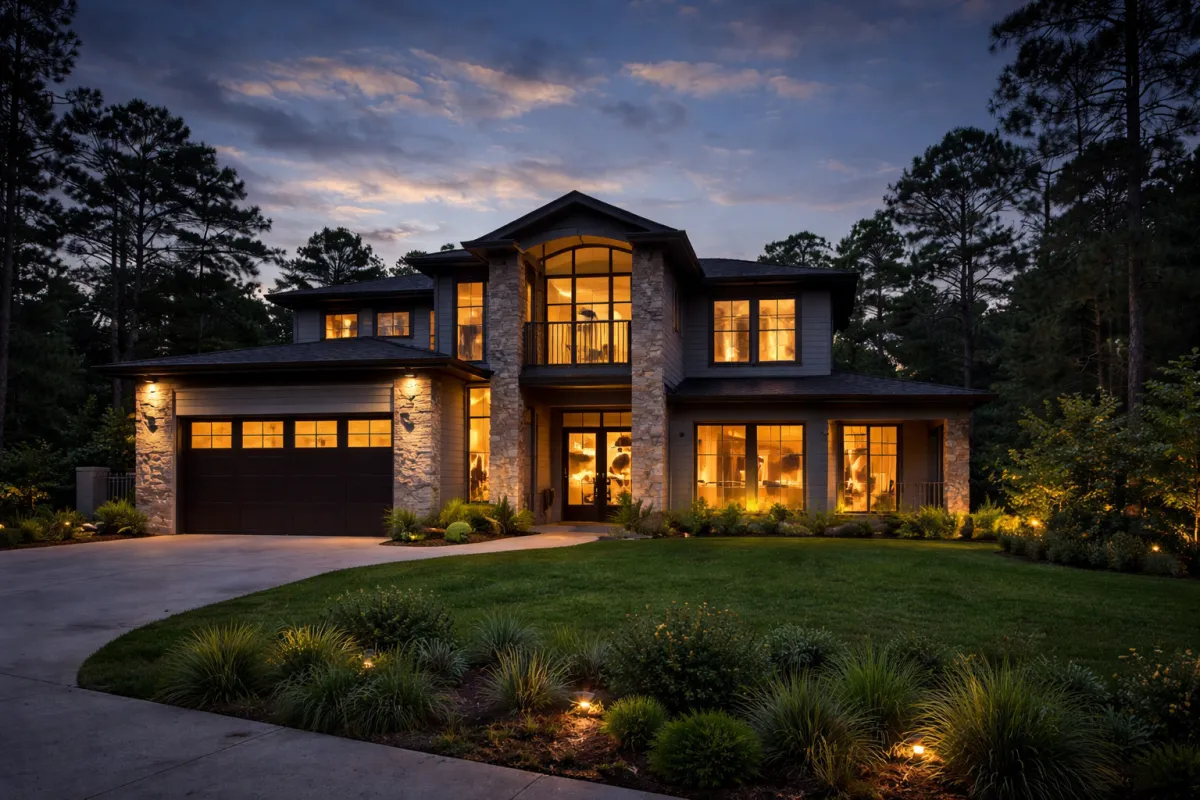
Summer haze softens edges, and it arrives by mid morning. Humidity creates color casts that push cool indoors and warm outdoors, especially when a home has mixed lighting sources like daylight, incandescent pendants, and LED recessed cans. Afternoon storms shut down drone flights with little warning, yet leave behind the best twilights of the month. The result is a need for a photographer who has worked through these swings enough to plan around them instead of being surprised by them.
Light, weather, and the rhythm of a Houston day
Many of the best interiors in Houston are better captured before 10 a.m. Or after 3 p.m., depending on orientation. East facing front elevations glow in the morning, but the same homes bake in hard light by noon. model home photography spring tx West facing backyards pay off in the late afternoon when the playset, pool coping, and turf do not clip highlights. On overcast days, interiors benefit from a soft box sky that reduces window contrast and makes flambient or flash blend work faster. On bluebird days, expect to work harder on window pulls to keep city views legible without turning interior walls muddy.
This is where experience saves the most time. Luminis Media real estate photographer teams adjust the schedule based on the listing’s compass and the agent’s goals. If the backyard is the sale driver, like a Tanglewood pool with mature live oaks, the appointment is set to make that exterior shine. If the primary suite gets torched by afternoon sun, the interior shoot is front loaded, and exteriors are picked up in a separate window. You sell the best story the property has, which is not always the same as photographing rooms in a predictable sequence.
Technical choices that protect value, not just aesthetics
Buyers are savvier than they were a decade ago. They are suspicious of images that feel too wide, too punchy, or overcorrected. There is a difference between flattering a home and misrepresenting it. Real estate photography luminis.media balances that line with a few anchor practices.
Lenses are wide enough to show space, not so wide they turn a breakfast nook into a banquet hall. On full frame bodies, that often means working in the 16 to 20 millimeter range for small rooms and moving closer to 24 millimeters for larger spaces to minimize distortion. Vertical lines stay vertical, especially on kitchen cabinets, door jambs, and fireplace surrounds. Slight perspective correction is normal, wholesale tilting is not.
Color neutrality matters in Houston more than you might expect. Stucco, red brick, and reflective porcelain floors can produce strange skin tones for paint. If a room is painted gray but reads blue in camera, that is not helping the listing. Balancing ambient light with bounced flash or continuous lighting preserves shadow detail while keeping paint and stone accurate. Flambient techniques, a blend of ambient exposures and controlled flash frames, produce natural results without the plastic sheen of heavy HDR. Window pulls are used sparingly, just enough to show a skyline view from a Midtown condo or a treeline beyond a Sugar Land backyard, not to make every window look like a TV.
The listing narrative, and how photos lead it
A strong set of Luminis Media real estate photos does more than check off rooms. It guides a buyer through the listing in the order a showing would unfold, and it foregrounds the attributes that drive offers in that neighborhood. In the Heights, the walkable porch life and canopy streets do a lot of heavy lifting, so the patio, front elevation, and nearby trails may appear early in the sequence, then give way to the open living room and kitchen. In Katy, the backyard, game room, and three car garage might leap ahead of the secondary bedrooms because they answer family needs fast.
Agents sometimes ask for a maximum number of images to hit the MLS cap. It is better to curate. Houston’s MLS gives agents a generous photo allotment, but not every angle deserves to be published. Repetition creates scroll fatigue. For luminis.media real estate photos, the standard is a core narrative set and a secondary set, with the narrative set prioritized for online galleries and syndication, and the second set available on property sites where a deeper dive is appropriate.
Speed, certainty, and why fast matters more than ever
Price reductions do not usually happen because a home is lacking one more bathroom image. They happen because the first wave of buyers never booked a showing. That first wave is time bound. In a fast market, it is the first 72 hours. In a slower week, it might stretch to a week, but the principle holds. If you miss the initial hit, you are already working uphill.
Real estate photography Luminis Media is structured around rapid turnaround without resorting to shortcuts that cheapen the images. Practical steps keep delivery fast. Intake checklists avoid surprises, shoot plans match property priorities, and post production workflows are staged so that the gallery is quality checked as it is built, not in one big scramble at the end. When a weather delay hits, partial deliveries go out, like interiors the same day, with exteriors and drone on hold for the next weather window. That keeps the listing from slipping off schedule.
Drone, neighborhood context, and airspace realities
Aerials are not for every listing, but when they add context, they pull more qualified buyers. A Clear Lake home near the marina deserves to show water access. A Memorial property on a generous lot can prove its privacy in a single overhead. Drone work in Houston does require judgment. Hobby and Bush create wide airspace footprints, and Ellington adds another layer to the southeast. A Part 107 pilot who knows when to request authorization and when to lower altitude expectations keeps you compliant while still delivering the shot.
Luminis Media real estate videography benefits from drone, but not all drone equals value. A slow rise above a feature, a reveal of downtown’s silhouette from a balcony, or a quick orbit that shows roof condition without spinning the viewer, these are edits that serve the listing, not the photographer’s reel. Real estate videography luminis.media keeps the runtime tight, typically under a couple of minutes for most homes, and it builds rhythm that matches the property. That might mean a more relaxed pace for a River Oaks estate and a crisper beat for a Midtown townhouse.
Video, reels, and how buyers actually watch
Not every buyer watches a two minute video on a listing page. Many first encounter it in a 15 second cut on Instagram or a vertical reel in stories. Luminis Media real estate videography plans for both. The long cut carries the full arc, while vertical crops create snackable pieces for social that still feel intentional. That means composing with safe margins to allow vertical crops, avoiding text overlays that get cropped out, and capturing a few hero shots designed to stop a thumb in the first second. Audio matters too. Even if platform audio is muted by default, pacing and cuts should read well without sound, and a licensed track is swapped in cleanly for the versions that play with audio.
Floor plans, 3D, and when to add depth
Buyers rarely fall in love with a floor plan, but they do use one to make a go or no-go decision faster. A measured plan combined with a photo set reduces wasted showings and can be the difference for relocation buyers who will not see a home in person for weeks. Matterport or similar 3D tours add value on larger homes, or on listings with complex layouts where photos alone can be disorienting. For smaller condos with simple plans, a clean photo gallery and a 2D plan often perform as well, and they load faster on mobile.
Occupied homes, vacant homes, and what really shows
Vacant homes can look clinical if photographed without intention. Light staging or virtual staging can help, but it must be believable. Rugs with proper scale, consistent light direction, and no impossible shadows. For occupied homes, prep is everything. Owners should feel guided, not judged. A few crisp rules handle 80 percent of the issues, and they keep shoots efficient.
- A five point prep, shared two days before the shoot:
- Clear kitchen counters, leave one or two clean items like a bowl of lemons or a coffee machine.
- Hide trash cans, pet bowls, and litter boxes, and secure pets.
- Open all blinds and curtains, turn on all lights, replace burned out bulbs with the same color temperature.
- Remove personal photos and visible medications, minimize magnets and papers on fridges.
- Park cars away from the driveway and curb in front of the home.
That small list makes rooms feel larger and reduces distractions during editing. It also respects the seller’s time, which agents appreciate on tight timelines.
The MLS, compliance, and avoiding surprises
Every market has its rules for photos and video. Houston’s MLS expects no agent branding inside images, no watermarks that obscure content, and reasonable adherence to reality. Fantasy skies or fake grass belong in ads, not in listing photos. Luminis Media listing photography is built to pass compliance checks without neutering the images. Twilights are real twilights, skies replaced only to fix a tiny blown highlight, never to invent a sunset for a midday shoot. Minor item removal, like a power cord against a baseboard, is fine when disclosed. Removing a neighbor’s privacy fence is not fine, and you will get called on it.
Pricing strategy, photo order, and the psychology of scrolling
Photography and pricing are related. Aggressive pricing creates forgiveness for imperfect photos, but only to a point. Premium pricing leaves zero room for sloppy visuals. When a listing sits at the top of its comp set, the first five photos need to carry that weight, because most buyers never reach image 20. A common sequence for Luminis Media listing photography is front elevation, hero living area, kitchen wide, primary suite wide, and a signature feature, like the pool or a study with built ins. From there, the gallery flows logically. If the home is a flip or an investor hold, before and after sliders and a single composite renovation board can work on the property site or social, but they usually do not belong on the MLS gallery.
Houston realities that shape the shoot
Every city has quirks. Houston has several that matter for real estate photographer luminis.media teams.
- Five realities that change how we shoot here:
- Afternoon pop up storms make twilights best on days with morning showers and clear late skies.
- Mixed temperature lighting in older homes, especially warm Edison bulbs with cool LEDs, needs on site correction, not just editing.
- Glossy tile floors in new builds mirror the tripod and windows, so camera height and angle must be managed precisely.
- HOA signage rules can restrict yard sign placement, which changes where a front elevation looks balanced.
- Powerline clutter along front streets can be minimized with angle and focal length choices, but should not be fully edited out.
These are small, but they stack up. When the photography respects these inputs, the images read cleaner and more honest, and buyers arrive with the right expectations.
Case notes from the field
A Montrose townhouse with a narrow footprint had sat 18 days with DIY photos, strong on price but weak on story. The living room felt cramped, the kitchen looked orange, and the roof deck was an afterthought. We reshot at 8:30 a.m., bounced flash off the ceiling to neutralize the kitchen, set verticals on the double height stairwell, and built a sequence that led early with the roof deck, then the living space. The showing count doubled within 48 hours, and an offer landed by day five. No discounts were taken, the buyer just finally saw how the home lived.
In Sugar Land, a property butted up to a retention pond. Previous imagery avoided it, thinking it was unattractive. We leaned in with a low angle exterior that put the water as a reflective band and showed the absence of backyard neighbors, then used a drone at 90 feet with a long focal length to compress the lot line and treeline. The open house had a better quality of attendees, fewer neighbors, more real buyers. Feedback consistently referenced privacy, which had been invisible in earlier photos.
Investors and builders, different pace, different expectations
Investors often work across multiple ZIP codes with back to back closings and tenant move ins. They need repeatable results that still give each property its best angle. That means templated delivery folders, predictable file naming, and a minimum set of images that fits the platforms they use. Luminis Media property photography for investor packages often includes a short set for MLS, a longer set for rental platforms, and a tight vertical set for ads. The cadence might be shoot Monday, deliver Tuesday, tenant application opens Wednesday. Speed is not a luxury here, it is the business model.
Builders, by contrast, want to tell a brand story over a pipeline of homes. They care about finishes at macro scale, not just room wide shots. An inch closer on cabinet profiles, a clean capture of tile lippage or lack thereof, and a consistent way to show stair nosings and baseboard details. Property photography Luminis Media for builders also includes seasonal planning, like shooting exteriors when landscaping is newly installed but before summer burn stresses the grass. If a builder wants a library of details for a website, those images are typically captured in tandem with the listing shoot, protecting budget while expanding the asset base.
Post production that respects time and truth
Great editing starts with great capture. The less a photographer needs to fix, the faster the turnaround and the more lifelike the final looks. The Luminis Media real estate photos workflow runs through a quick cull, color baseline, perspective correction, and localized retouching for things like sensor spots or small debris the seller missed. Export presets are tuned for MLS file size limits and site specific needs, paired with high resolution copies for print.
The temptation to crank clarity and contrast is strong when trying to make a feed friendly image. Restraint wins. Houston’s buyers know what a shadow looks like. A modest S curve and well managed blacks are plenty. Skies in exteriors are balanced to look plausible for the time and weather of the shoot. Pools are corrected for cyan shift without turning them electric. When twilights are captured, the warm to cool balance is kept believable, interior practicals warm, sky cool, and reflections natural.
Collaboration with stagers and agents
Even the best photographer cannot fix a bad sofa layout. Coordination with stagers avoids wasted minutes pushing furniture around while a homeowner watches the clock. A quick call the day before with the stager aligns on what the camera will see. If an oversized sectional blocks a traffic line in photos, it is adjusted before arrival. For agents, a five minute pre-brief aligns expectations. Are we leaning on the home office for remote worker buyers, or emphasizing the play space for a family target? Are we anchoring the description with the outdoor kitchen, in which case we plan a twilight that lets that feature sing?
When fast must be faster
Rush listings are a fact of life. A relocation hits, or a deal falls through and a home returns to market. Real estate photography Luminis Media keeps a few same day slots each week for true emergencies. That does not mean every call gets a same day appointment. It does mean that relationships earn priority, and if a returning agent’s listing needs a twilight and a drone, the team can split it, interiors now, exterior assets at the first clear evening. Communication is the real service here. If an agent knows by noon that they will have a gallery by 9 a.m. Next day, they can time their MLS activation and social rollout accordingly.
The business end, made simple
It sounds mundane, but simple delivery matters. Galleries should open on mobile, support agent favorites and notes, and allow quick download of MLS ready and print ready sizes. File names should be labeled for sequence and room, not a string of numbers. A property site is not a vanity, it is a link that packages the visuals cleanly for buyers and other agents. Luminis.media listing photography is delivered with a standard companion property page when appropriate, and it can carry the video embed, the floor plan, and the 3D tour without sending the buyer through three vendors.
How luminis.media keeps listings believable, clickable, and bookable
The end goal is not pretty pictures. It is showings, then offers. The visual stack should attract the right buyers, repel the wrong ones quickly, and help the agent hold price. That balance is what Luminis Media real estate photography aims for in practice. The brand name matters less than the field habits that support it, but for clarity:
- The Luminis Media approach in brief:
- Plan around Houston light, not a photographer’s convenience.
- Shoot honestly, keeping verticals straight and colors true.
- Edit with a light hand, preserving believable dynamic range.
- Deliver fast, with curated sequences that drive action.
- Add video, drone, and floor plans when they enhance the story, not by default.
Everything else, from fancy gear to custom cases, is background noise to the listing’s needs.
A final word on trust and momentum
Agents hire a photographer for more than the gallery. They hire a teammate who knows why a late August afternoon is risky for exteriors, who can get a twilight after a summer storm while mosquitoes circle, and who will call to say the breakfast room curtains need a quick steam because wrinkles will show. They hire someone who understands that a renter forgot to move a car from the driveway, and instead of losing the front elevation, they adjust and nail it from a secondary angle.
Houston rewards that kind of attention. Buyers here look hard, but they move decisively when they see what they want. Make it easy for them. Whether you search for Luminis Media property photography, real estate photos luminis.media, or you ask a colleague who keeps beating you to pending, the answer tends to be the same. Quick, accurate, and local always wins. And that is the Houston advantage when luminis.media real estate photography is in the mix.